In 2002, Howard Schatz published a collection of photos titled “Athlete”, which featured a diverse group of top athletes from every sport and genre.

The picture above shows some of the women Schatz photographed at peak physical condition, lined up to highlight their respective fields and the diversity of their physiques. It implies that, regardless of race, gender, or socioeconomic background, a character’s body can reflect their athletic background, chosen profession, or the challenges they face that require physical strength and skill.
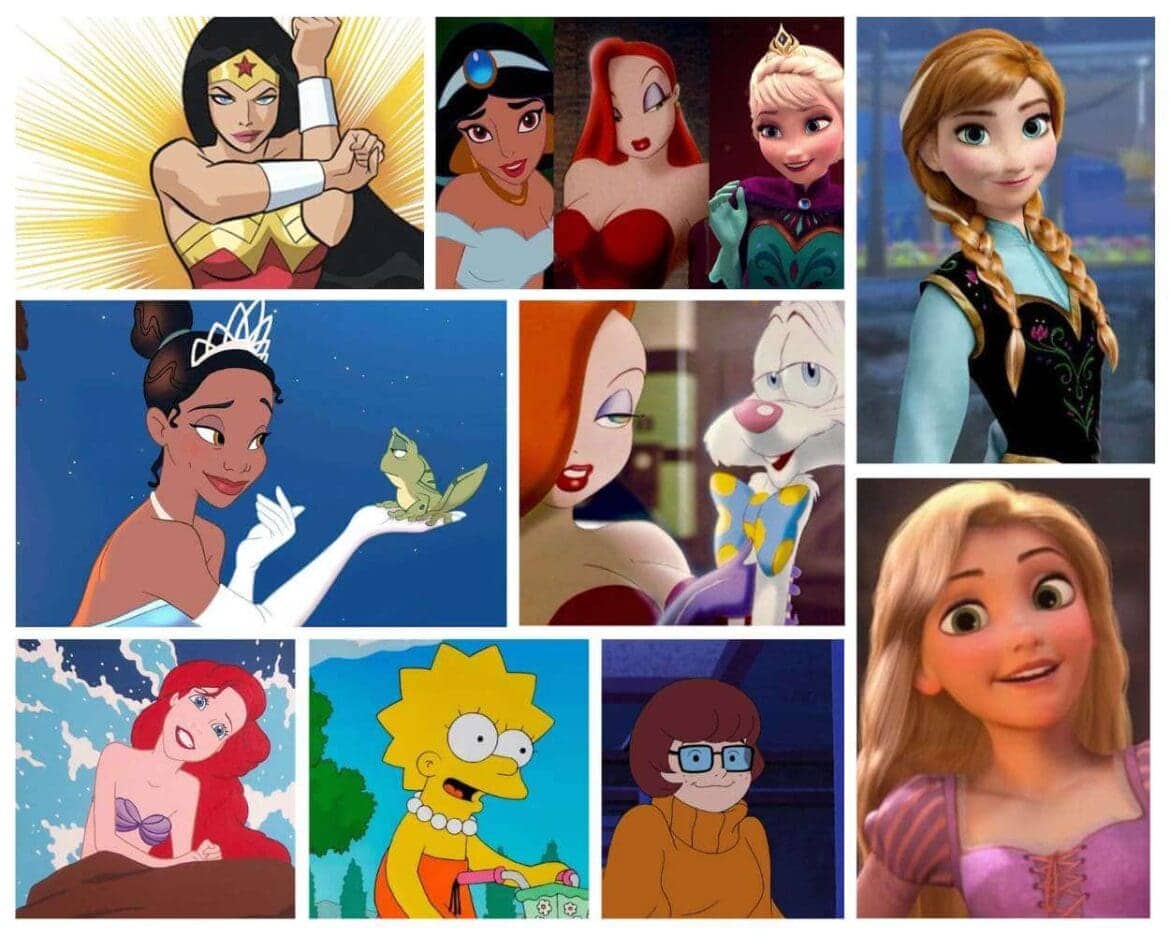
So why do female characters across various forms of media have so little variety in shape and size?
For example, Catwoman from the DC franchise has extensive acrobatic and gymnastic experience. Her physique could reflect these skills through a compact, powerful build suited to explosive movements, flexibility, balance and precise control. Instead, her physique often aligns with conventional beauty standards rather than her abilities, lifestyle, and environment as an anti-hero and jewel thief in a crime-ridden dystopia. While Catwoman’s seductive persona plays a significant role in her characterization, her design doesn’t have to FULLY conform to conventional beauty standards. Fully adhering to conventional beauty standards sacrifices storytelling potential, limits visual diversity, and overlooks the many ways a character’s physique can communicate identity, experience, and ability.
Beauty and physical diversity are not mutually exclusive—female characters can remain attractive while possessing a physique that better reflects their skills, lifestyle and individuality.
Of course, realism isn’t the only building block for character design. Stylization, exaggeration and fantasy elements each play an important role in visual storytelling. However, exploring a wider range of body shapes, sizes, and physical features can help make characters more unique, visually distinct, and cohesive with a story’s worldbuilding. Considering livelihood factors such as a character’s profession, upbringing, culture, abilities, and environment can shape their appearance and create more memorable designs that enrich both the characters and the worlds they inhabit.
Ultimately, the lack of variety in female character design stems from how the fictional media industry prioritizes cultural and social standards and biases (ie., conventional beauty standards). While these standards can make female characters visually appealing, they also limit creative possibilities in character design, creating repetitive, generic designs. Media can move beyond repetitive designs and create female characters that are appealing because they’re unique, visually compelling and meaningful to their stories.
Female characters deserve the same diversity in physique as their male counterparts, not only for representation, but also to unlock the storytelling potential that comes with designing bodies as individual as the characters themselves.
Leave a Reply