Loss, grief, panic, anger, repression, volatility, desire and impulse are incredibly common emotions found in people. The same applies to fictional characters across all narrative media, including superheroes.
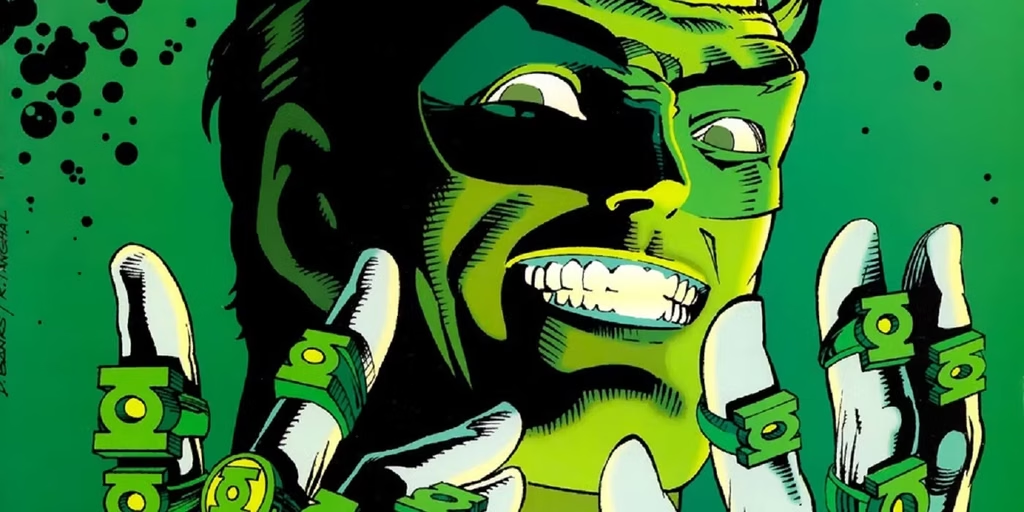
Peter Parker had an alien suit that channelled his innermost desires and amplified his worst impulses. Hal Jordan was given a transformational story about his grief and panic due to the loss of his entire city and his anger towards an extraterrestrial system that failed him. Jean Grey was given a celestial power that highlighted her repression and amplified her suppressed emotions. Because of their circumstances, these characters have their morals and values corrupted or commit crimes and atrocities. Hal Jordan murdered the entire Green Lantern Corps. Peter became more arrogant, violent and aggressive. Jean Grey genocided a planet with a population of 5 billion people.
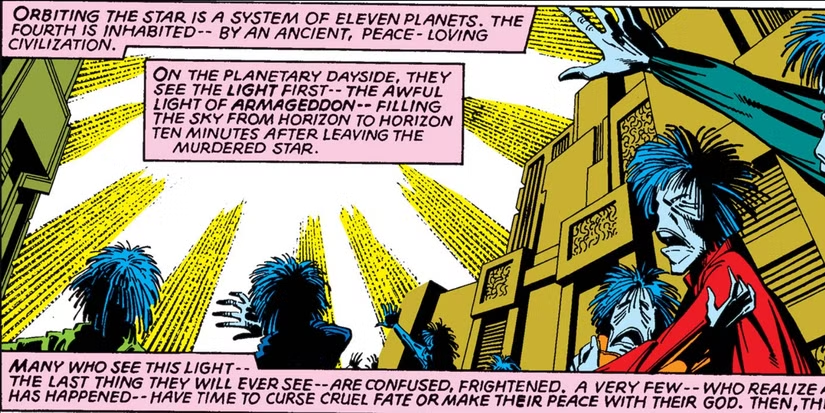
Regardless of what they were like or did, they had something in common: their writers explored the relationship between their circumstances, their inner struggles, and the choices they made when given the power to handle them.
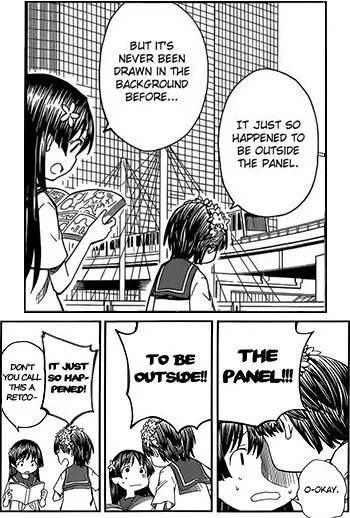
Then some writer comes along, or publishing interferes. Then they decide these stories were harmful exaggerations of those superheroes, and they need to fix them for easier storytelling or marketing. Suddenly, the characters’ atrocities were never their fault. Hal Jordan was corrupted by Parallax. Jean Grey was possessed by the Phoenix Force. Venom manipulated and influenced Peter Parker. Once their actions become the product of something outside themselves, these characters are conveniently absolved of the emotions and responsibility that made their story compelling in the first place.
Bruhhhh.
Sure, power and influence corrupt all—people can be influenced by external forces and factors outside their control. That’s essentially what the stories are about.
However, when retconning these stories, writers and publishers forget nuance, accountability, and responsibility in order to make characters more palatable to the audience. They sanitize the actions and atrocities characters committed because of their “lack of agency” at the time (ie., Venom, Parallax, the Phoenix Force). Characters start to become blameless, and their previous attempts to redeem their past mistakes become pointless.
Fictional characters, especially superheroes, are wholly extraordinary. They either wield weapons capable of mass destruction, possess supernatural abilities, or interact with those who understand their capabilities. That does not mean they are completely infallible. With or without their powers, they have flaws, and given enough time, those flaws will inevitably surface in their decisions, relationships, and actions. Like real people, characters will suffer and make choices they regret, or that stem from their emotions, and eventually, they will have to confront the aftermath of those actions and the uncomfortable parts of themselves to understand why they made those choices.
Suffering is not wholly innocent—people can be shitty people even if they suffered. However, they can still acknowledge their suffering without absolving themselves of their wrongdoing, and possibly find redemption. Not all characters have to be irredeemably evil, but some should confront the reality that their actions might stem from existing issues rather than escaping them. No victim is perfect, and this is applicable to all characters.
Leave a Reply