On October 12, 2026, the co-creators of the Avatar franchise, Dante DiMartino and Bryan Konietzko, addressed the hate surrounding Korra in an interview with Teen Vogue. The duo denied the claims that they disliked the character and pointed to what drove the harsh pushback against her character—double standards, misogyny, biphobia and cultural bias.
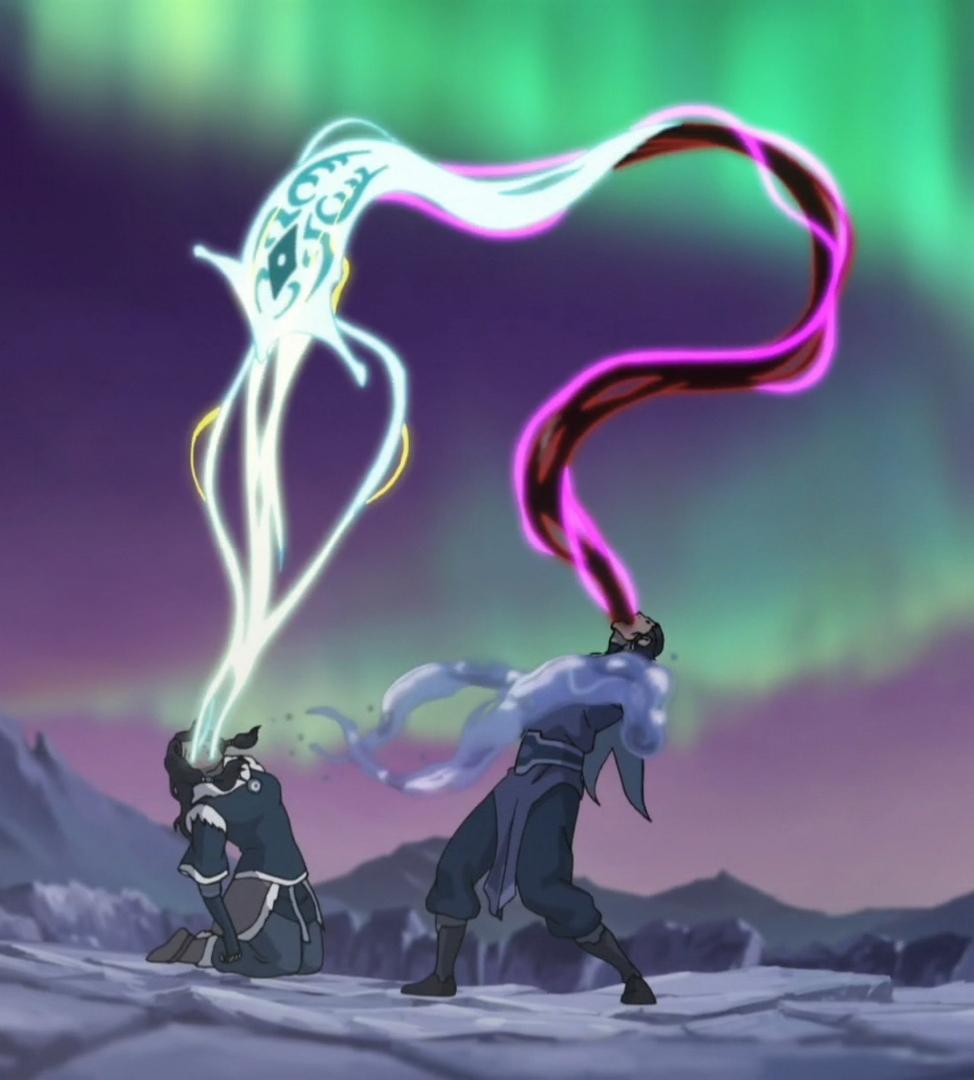
Much of the hatred for Korra reflects how fandom treats, perceives, and judges female characters compared with male characters, especially if they make mistakes. For example, fans blame Korra for losing the Avatar’s innate connection to past lives, even though her uncle, Unalaq, and Vaatu were responsible. Despite Korra fighting to prevent it, she is still held accountable for something largely beyond her control. Aang’s decision to avoid his Avatar duties indirectly resulted in the genocide of his people and the creation of the Hundred Year War, but “no one seems to hold that against Aang.”

Ultimately, both characters made mistakes and experienced circumstances beyond their control. Both Korra and Aang have also faced complex psychological and systemic challenges, succeeding and failing along the way.
However, by comparison, the hate and criticism directed at Korra is disproportionate to that directed at Aang, highlighting the double standards and misogyny in how fandom judges male and female characters.
Overall, female protagonists are often held to unrealistic expectations of flawlessness. They are expected to be always morally consistent, emotionally mature, likable and competent. When they make mistakes, show negative emotions, act impulsively and irrationally, or struggle with their responsibilities, these flaws become reasons to dismiss their character entirely. Meanwhile, male characters are allowed to fail, make questionable decisions and undergo flawed personal growth.
Mabel from Gravity Falls and Steven from Steven Universe highlight another disparity within fandom. Both characters are outgoing, enthusiastic and affectionate, but can be impulsive and occasionally selfish. However, their fandoms receive their personalities unequally. Mabel’s personality attracts criticism, with her impulsiveness and occasional selfishness frequently used to dismiss her character. Meanwhile, (13-year-old; excluding Future) Steven is celebrated as endearing, humorous, and entertaining.
Both these characters show another double standard—traits considered charming or lovable in male characters can become irritating or unlikable when female characters exhibit them.
These disparities and double standards do not indicate that female characters should be exempt from genuine criticism. Rather, fandom should afford female characters the same understanding, nuance, and room as male characters.
Leave a Reply